Home Pricing: Expectations vs. Reality in the Open Market
When it’s time to put your home on the market, it’s natural to want the highest possible return on your investment. However, there is often a significant gap between what a seller expects their home is worth and what the market is actually willing to pay.
In a shifting 2026 real estate landscape—where buyer demand is moderating and inventory is rising—pricing your home correctly from day one is the most critical factor for a successful sale.
The "Expectation Gap": Why Sellers Overestimate
Most sellers approach pricing with an emotional lens, but buyers view it through a lens of utility and comparison. Here are the most common ways expectations clash with reality:
Expectation: “I spent $50,000 on a kitchen remodel, so my price should increase by $50,000.”
Reality: Buyers don’t always value upgrades at their cost. Overpricing based on renovations can make your home look weak compared to more competitively priced options.
Expectation: “My neighbor sold their house for a record price two years ago, so mine is worth at least that much.”
Reality: Real estate is a “living strategy”. Using outdated comparisons fails to account for current inventory levels and buyer negotiating power, which have increased in 2026.
Expectation: “I should price high to leave room for negotiation.”
Reality: High prices often deter the very buyers you want. Instead of getting high offers to negotiate down, you may get no offers at all, leading to a “stale” listing that buyers eventually view with suspicion.
The Danger of the "Stale" Listing
Timing is everything. Your home is most valuable when it first hits the market and has the highest visibility.
Fewer Showings: Overpriced homes limit the pool of eligible buyers who search within specific price brackets.
The “Why is it still here?” Effect: When a home sits on the market longer than the local average, buyers stop looking for a home and start looking for a “deal”.
Wasted Leverage: The fewer days a home is on the market, the more leverage the seller has. A home priced right from the start often generates multiple offers that naturally drive the price up.
Strategic Pricing: How to Win in 2026
Don’t rely solely on automated online tools, which can have high margins of error.
Comparative Market Analysis (CMA): An agent-led CMA evaluates similar properties that recently sold, are currently active, or failed to sell, providing a realistic “fair market value”.
2. Use Pricing Psychology
Small adjustments can have a massive impact on how buyers perceive value:
Charm Pricing: Listing at $499,000 instead of $500,000 captures buyers searching “under $500k” and creates an illusion of a better deal.
Odd-Number Precision: Prices ending in odd numbers (like 7 or 9) often feel more “calculated” and genuine to buyers, leading to faster sales and higher confidence.
3. Listen to the Market Feedback
If your home isn’t attracting interest in the first two weeks, it’s a clear signal to adjust. Sellers who “anchor” themselves to unrealistic prices often end up selling for less than they would have if they had priced competitively from the start.
Success in today’s market isn’t just about selling—it’s about selling smart. By aligning your expectations with current data, you position your home to attract serious, qualified buyers and secure the best possible outcome.
Ready to Bridge the Gap and Sell Your Home for Top Dollar?
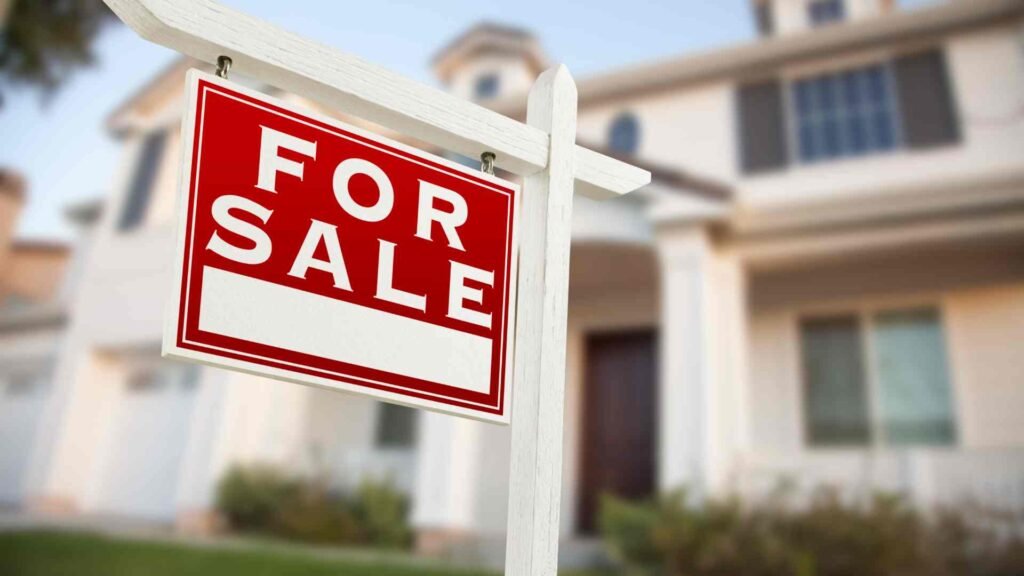
Don’t let unrealistic expectations stall your sale. In today’s shifting market, pricing your home accurately is the difference between a “For Sale” sign and a “Sold” sign.
At SgHomeHunt, we specialize in data-driven valuations that align your goals with real-world buyer demand. Stop guessing what your home is worth and start selling with confidence.
[Get Your Free, No-Obligation Home Valuation Today]
Join hundreds of successful sellers who used our Comparative Market Analysis to beat the market average and close faster.